

Middle East & Gulf Solar Module Supply
The Middle East and Gulf include large utility procurements, industrial supply needs and projects that may impose local-content or supplier-prequalification requirements. Energy America welcomes qualified solar-module RFQs while verifying tender rules, exact product documentation and destination logistics for each project.
Geographic procurement coverage
The countries and markets below are a preliminary commercial screen drawn from Energy America's published global market register. Their inclusion is not confirmation of a locally approved module, inventory, active EPC agreement, tender, contract or sales revenue.
GCC and neighboring buyer pathways
The initial Middle East screen covers Saudi Arabia, the United Arab Emirates, Oman, Qatar, Kuwait, Jordan and Iraq. Utility procurement typically runs through prequalified developers, EPC contractors or buying consortiums; commercial and industrial projects may rely on local integrators and distributors. A country in the directory does not mean Energy America has passed national supplier registration or won a tender.
Saudi utility and localization considerations
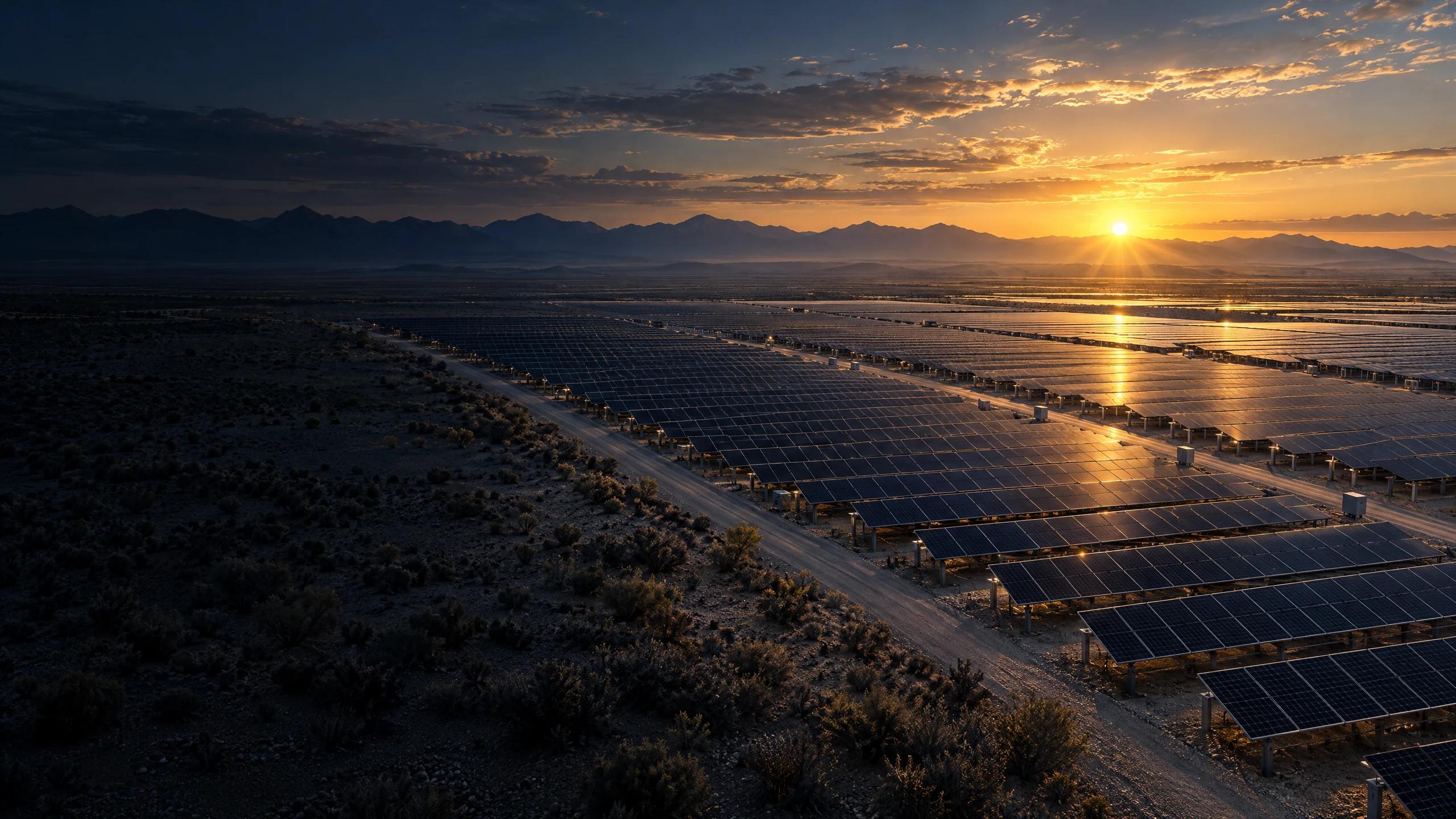
Saudi procurement can involve project-specific domestic-content expectations, documentation of origin, vendor registration and formal bid requirements. Establish the procurement entity, current project phase, purchase authority, technical schedule, any localization commitments and whether the proposed module qualifies before preparing a commercial offer. No automatic Saudi prequalification or locally manufactured status is asserted.
UAE and Gulf industrial channels
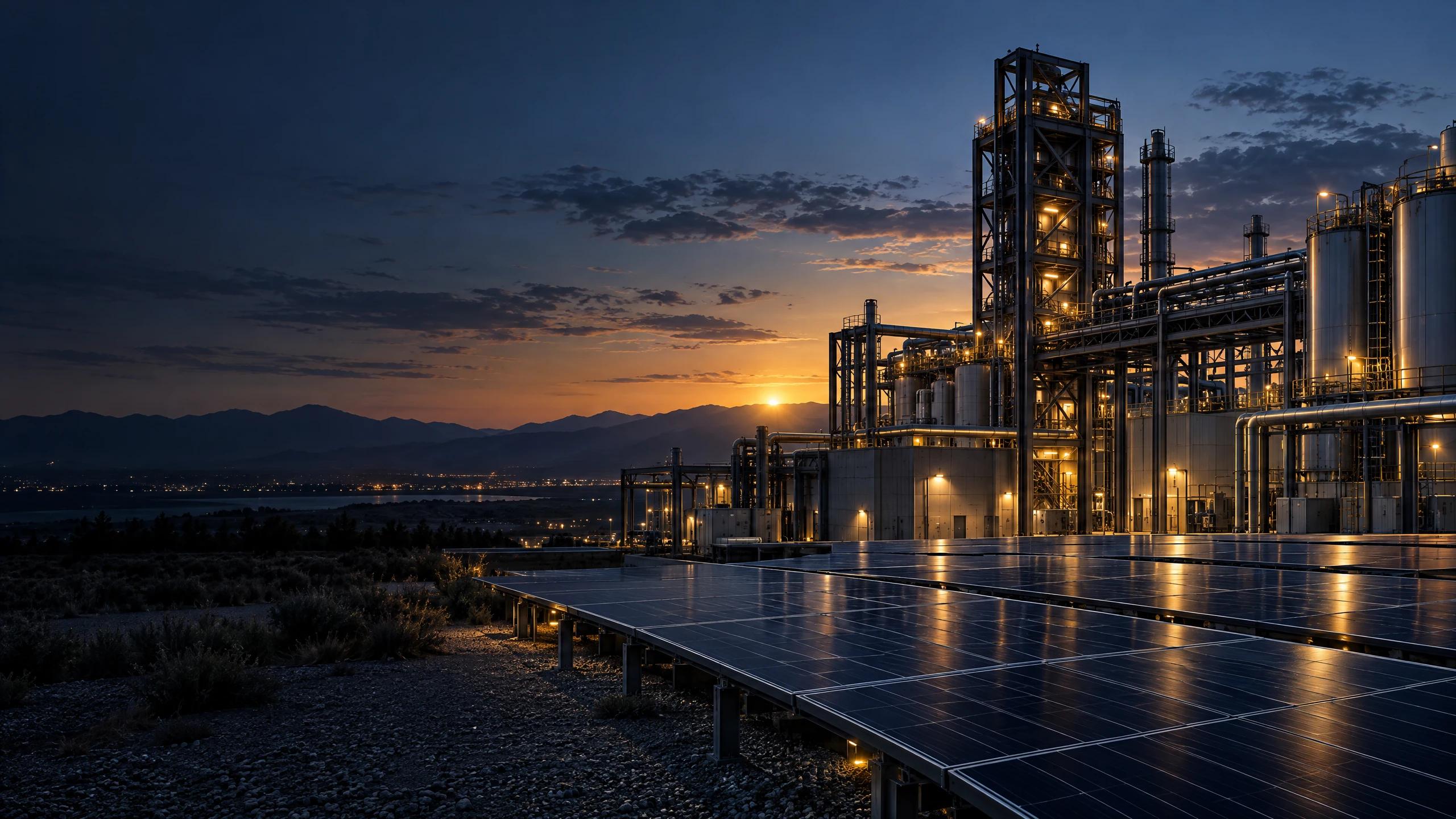
Buyers in the UAE, Oman, Qatar and Kuwait may request modules for utility, industrial and commercial applications. The buyer should specify the power project location, product datasheets, module construction, allowed technologies, required test evidence, shipping/import arrangements and local after-sales responsibilities. Wholesale or OEM relationships are subject to compliance review and negotiated commercial terms.
High temperature, dust and environmental evidence
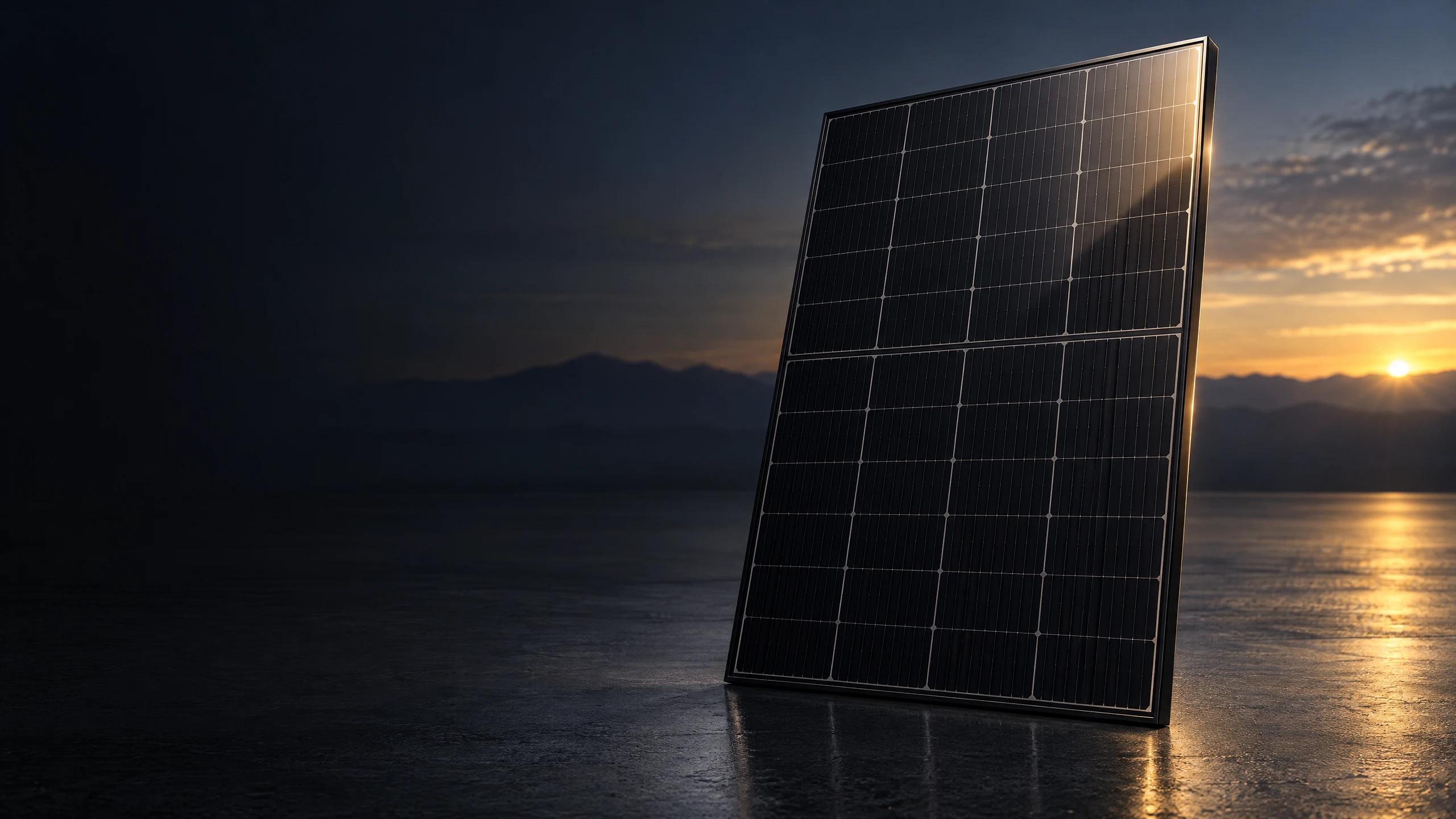
Desert projects may place emphasis on thermal performance, dust exposure, cleaning practices, mechanical durability and applicable environmental test evidence. The exact site specification should determine whether additional model or mounting documentation is needed. Energy America must not claim a product meets a desert-specific requirement without validated test and certificate evidence for that SKU.

Tender, bankability and risk gating
Before an EPC or utility quote is entered into a qualified pipeline, check tender instructions and deadline, scope of supply, payment and bonding requirements, sponsor rights, project financing, country-specific origin rules and recipient legal entity. Forecast MW in a public announcement is not necessarily the supplier's available order size. Unsupported references to government endorsement are not appropriate.
Shipping and execution through Gulf ports
Confirm port of discharge, named delivery location, Incoterms, customs clearance, duty/tax treatment, storage/handling, packaging, insurance and phased shipment schedules. Industrial and government procurement sometimes require special documentation or inspections; these must be agreed as order deliverables. The final schedule is only valid after commercial confirmation.
Begin a Gulf EPC module inquiry
Submit country, project/tender, utility or EPC procurer, MW, module technical schedule, local-content or registration prerequisites, delivery port and tender deadline at https://eavolt.com/rfq. Energy America focuses on module manufacturing and supply, not assuming the role of regional EPC contractor or project sponsor.
Start a qualified module supply request.
Identify your country, legal buying entity, application, expected MW, module requirements, local product approvals, delivery point and planned purchasing date. The Energy America team can assess product and documentation fit before any firm commercial quotation.