

Africa Solar Module Supply
African solar opportunities span utility offtake, commercial and industrial power, resilient distributed generation and island markets. Energy America can discuss model-specific solar-module supply with qualified developers, EPC procurers and importers, while project finance, customs, interconnection and site logistics are validated separately.
Geographic procurement coverage
The countries and markets below are a preliminary commercial screen drawn from Energy America's published global market register. Their inclusion is not confirmation of a locally approved module, inventory, active EPC agreement, tender, contract or sales revenue.
Four commercial corridors
North African procurement can involve utility tenders and cross-border logistics; West African markets include C&I, distributor and utility opportunities; East African programs may include grid extension, commercial and remote supply; Southern Africa features industry, utility and distributor demand. The initial screen includes Egypt, Morocco, Algeria, Tunisia, Nigeria, Ghana, Senegal, Kenya, Uganda, Tanzania, Ethiopia, South Africa, Zambia, Mozambique and related markets. Country listing is not a financed project or confirmed order.
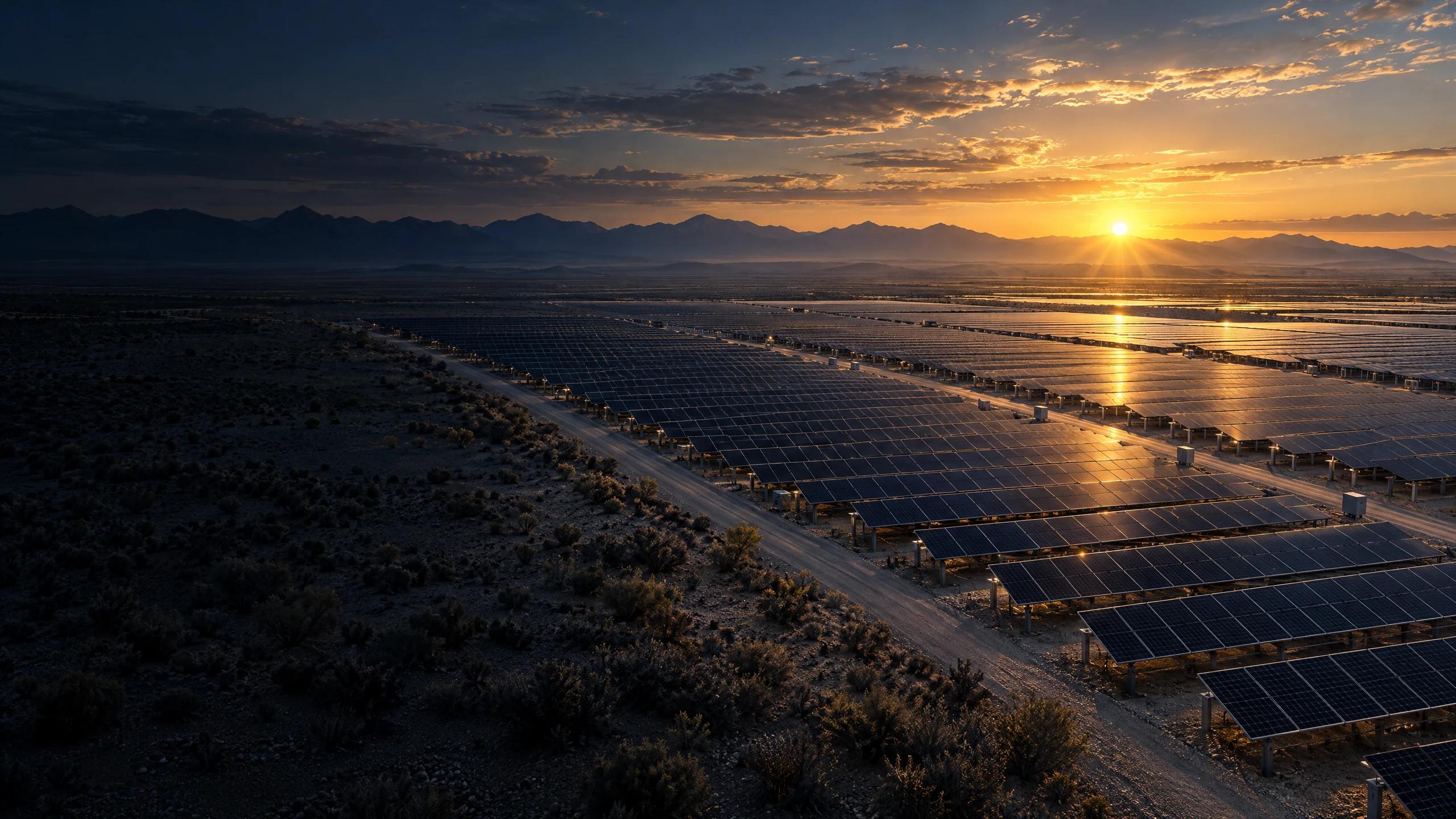
Utility and offtake-led projects
Public utility, IPP and PPA-based projects require more than a headline MW figure. Before a module quote is qualified, confirm developer or sponsor rights, tender or purchasing authority, offtaker, site, interconnection, financing stage, construction schedule, payment protections and exact design basis. Energy America's role is photovoltaic-module supply, not assuming the EPC or project developer's delivery obligation.

Industrial and commercial energy users
Manufacturing sites, mining, agriculture and commercial facilities can seek module procurement through local EPCs or specialized distributors. Project teams should define rooftop versus ground-mount systems, operating environment, system voltage, access and maintenance constraints, wind and temperature exposure, buyer acceptance tests and warranty servicing arrangements. Storage, controls or complete microgrid EPC works are separate scopes unless separately contracted and documented.
Regional importer and distributor channels
An importer must identify its legal entity, actual destination, duties, any national registration or conformity requirements, ports and customs clearance process. Local distributor candidates must be individually verified for purchasing authority, working capital, existing contractor coverage and after-sales logistics. Website coverage does not establish representation or product registration in those countries.
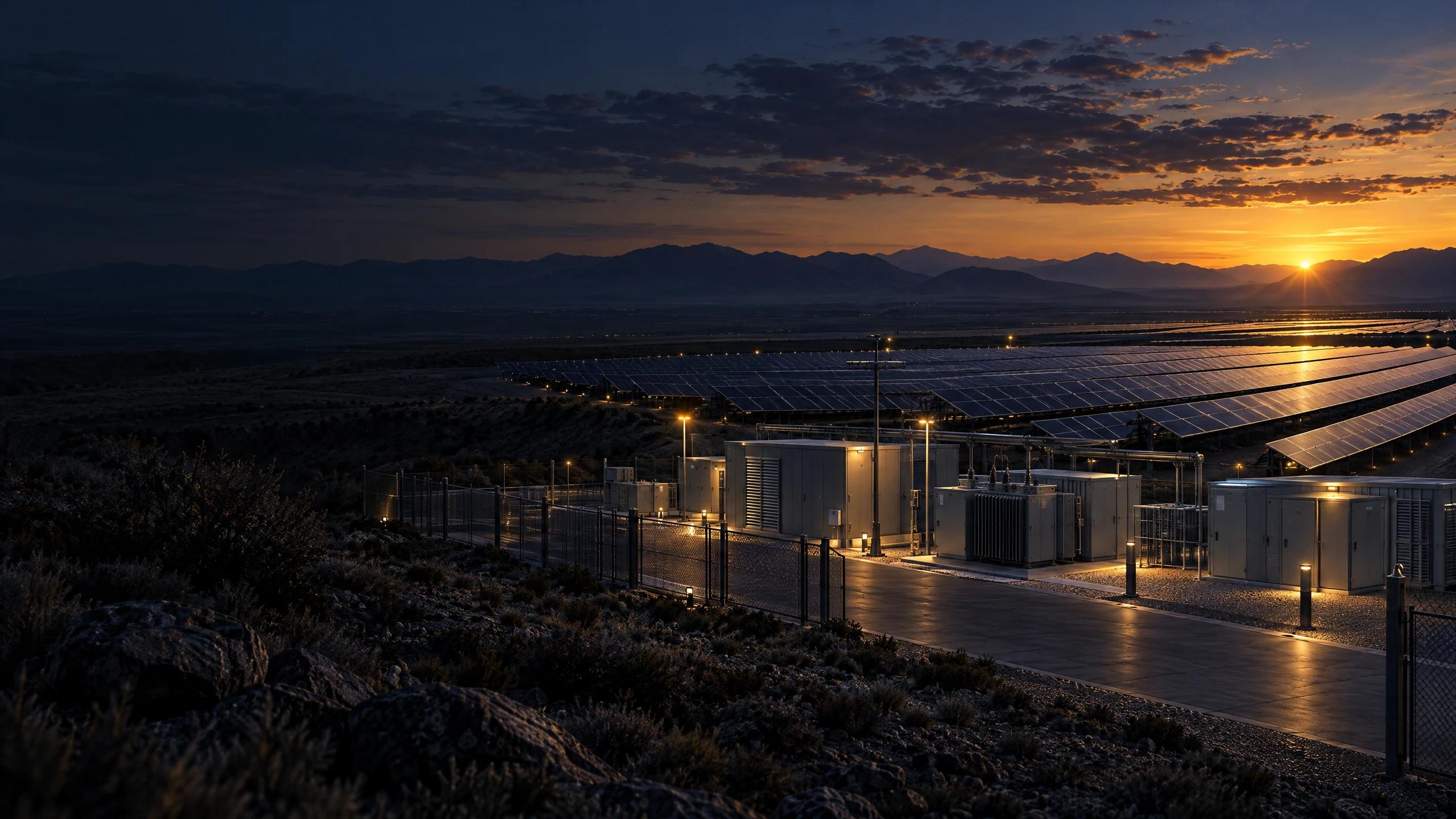
Reliability for remote operating conditions
For remote or rugged applications, assess module frame, mounting, environmental ratings, degradation and warranty evidence against real site conditions. Heat, dust, coastal corrosion and logistical isolation may drive additional testing or packaging needs. Do not claim an unverified Energy America SKU is certified for a particular desert, coastal or off-grid environment.

Commercial execution and financial safeguards
Before issuing a transaction-specific offer, align currency, buyer credit, letter of credit or other security, bid bond obligations if any, shipment batches, marine cargo insurance, local taxes, Incoterms and delivery acceptance. International project funding milestones may not align with supply lead time; written contracting must resolve that difference. Current project leads must be checked individually and not reported as booked revenue.
Request an African module supply review
EPC procurement teams, utility developers, industrial buyers and distributors can describe country, project site, MW, construction schedule, required data sheets, importing entity and financing/payment basis through https://eavolt.com/rfq. Energy America reviews module supply feasibility and documentation; local EPC construction and commissioning are outside the module sales scope.
Start a qualified module supply request.
Identify your country, legal buying entity, application, expected MW, module requirements, local product approvals, delivery point and planned purchasing date. The Energy America team can assess product and documentation fit before any firm commercial quotation.