FAMILY SELECTOR / 01
Residential
Match the module to usable roof area, mounting requirements and the electrical design.
- Usable roof area
- Mounting interfaces
- Electrical design

01 / THE PRODUCT COLLECTION
Select a family. Then define the exact model for your project.
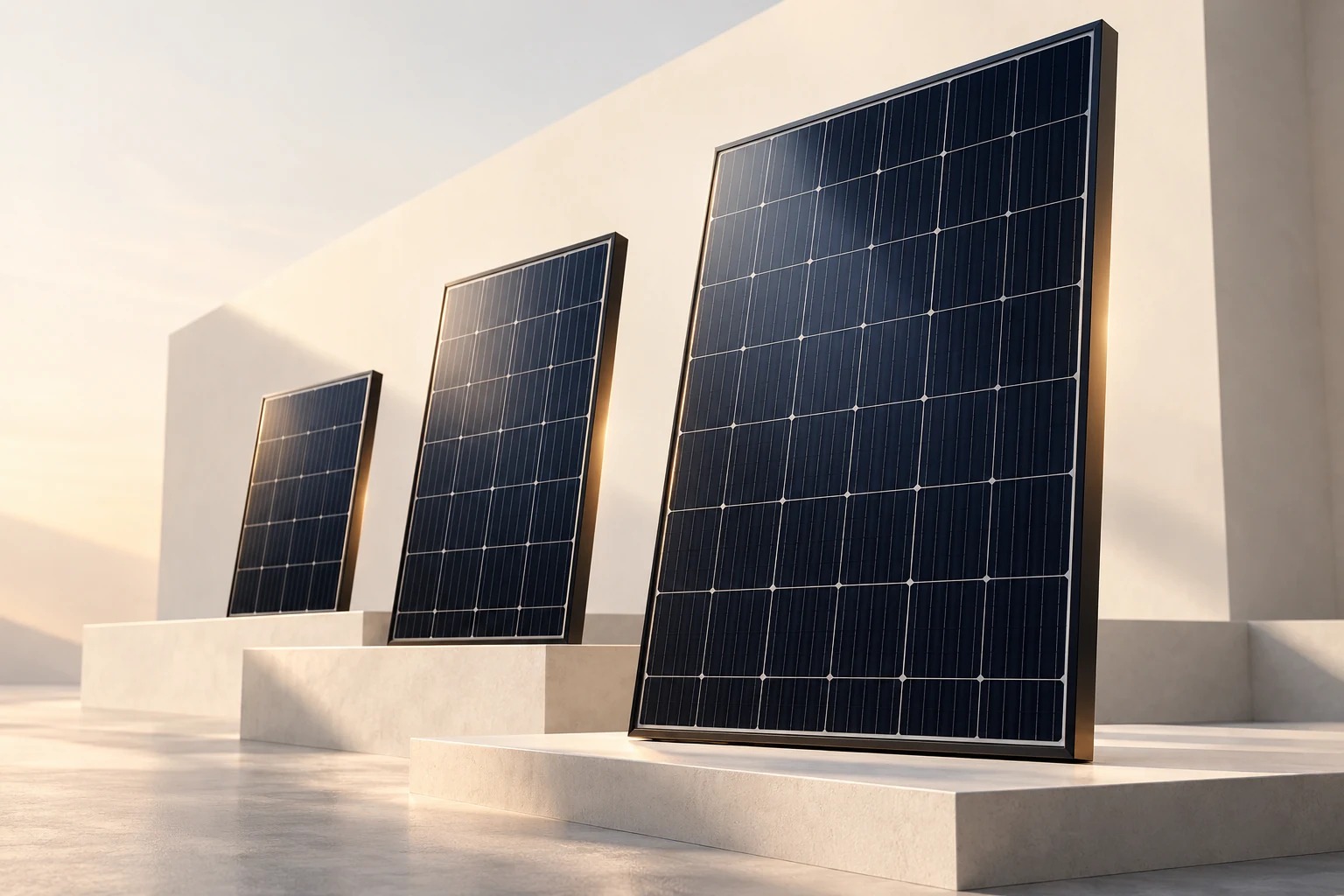
Concept product study. Relative sizes and appearances do not define released models.
02 / OPERATING ENVIRONMENTS
One project brief. Different questions for every environment.
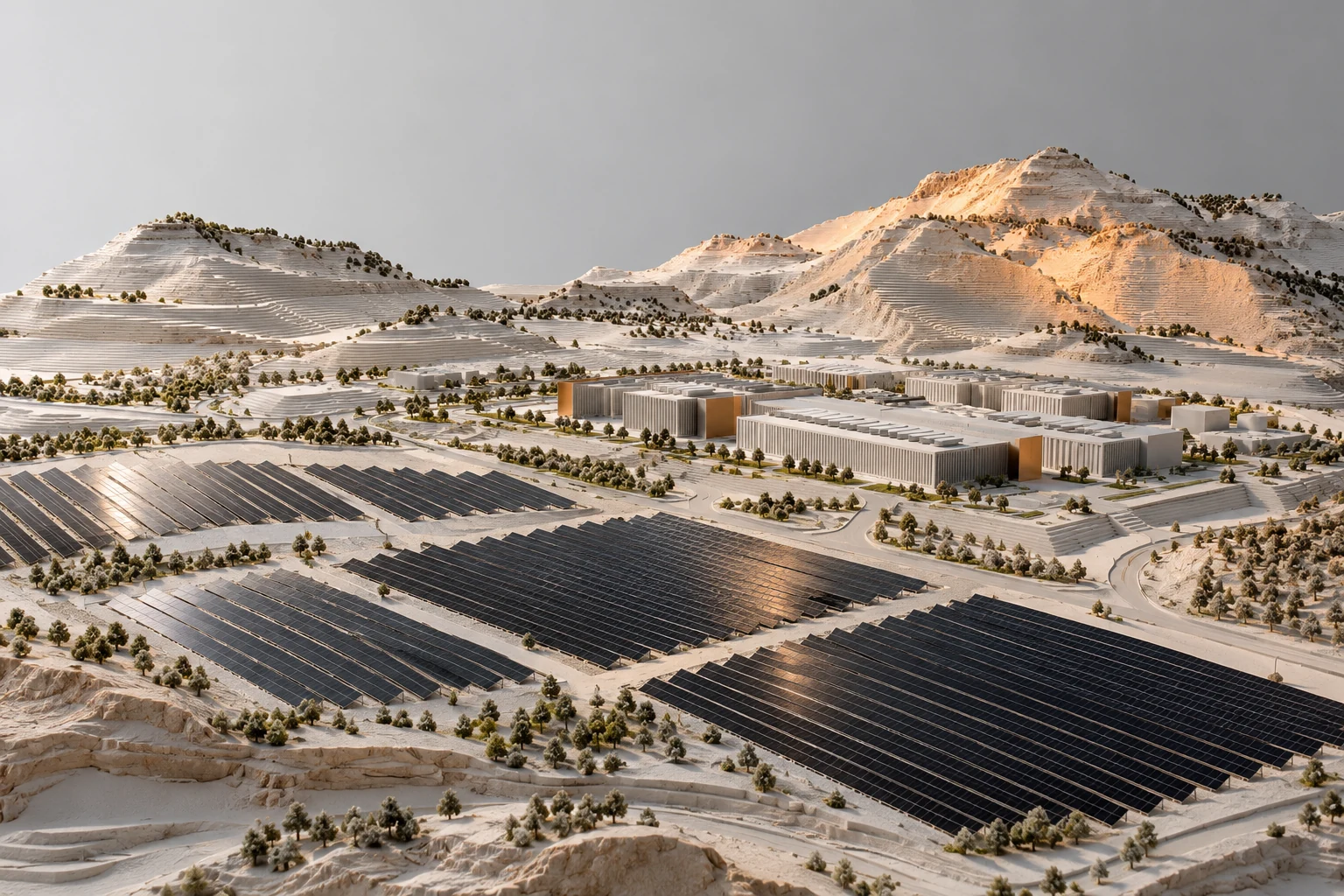
PROJECT LENS / 01
Bring the project capacity, array design, destination and delivery sequence.
PROJECT LENS / 02
Bring the facility load profile, usable area, mounting approach and project schedule.
PROJECT LENS / 03
Bring the campus power plan, growth phases and onsite or offsite generation opportunity.
PROJECT LENS / 04
Bring the critical loads, grid conditions, islanding needs and commissioning window.
Concept architectural maquette. Not a completed Energy America project or a turnkey system offer.
03 / BENEATH THE SURFACE
Understand the form, the interfaces and the evidence behind the selection.
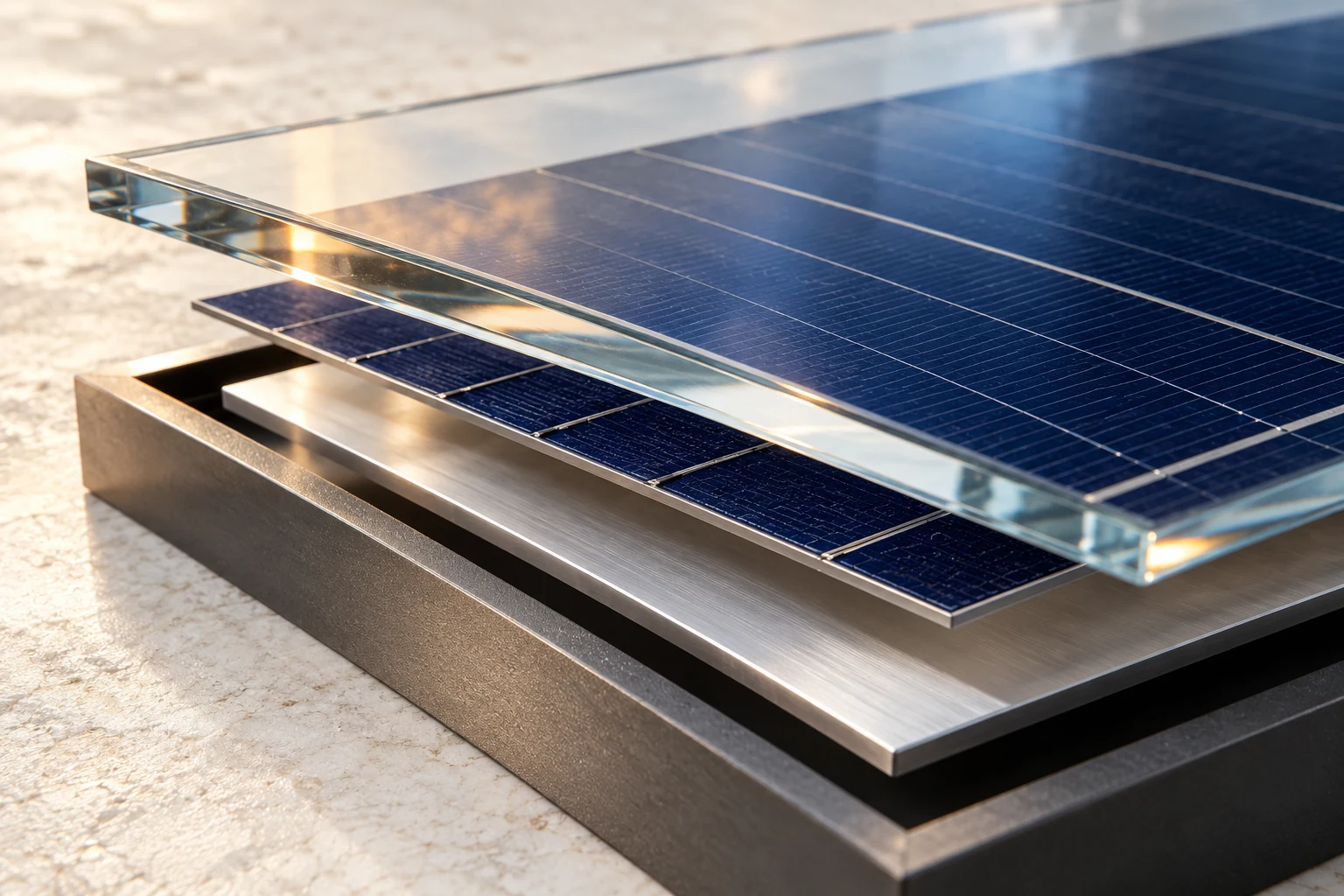
ARCHITECTURE EXPLORER / 01
Review optical protection, glass construction and the operating environment against the exact product record.
ARCHITECTURE EXPLORER / 02
Connect cell layout and interconnection to the selected electrical configuration.
ARCHITECTURE EXPLORER / 03
Check frame, mounting, connectors and handling against the installation design.
Illustrative material architecture. This is not a released Selenium layer stack or bill of materials.
04 / FROM SPECIFICATION TO SHIPMENT
Connect the article, the route and the evidence for your order.
FOLLOW THE ORDER RECORD

ORDER REVIEW / 01
Confirm the model, bill of materials, interfaces, packaging and applicable specification.
ORDER REVIEW / 02
Identify the manufacturing location, allocation and traceability requirements for the order.
ORDER REVIEW / 03
Request applicable inspection, electrical, certification and origin records.
ORDER REVIEW / 04
Agree product identification, shipping documents and acceptance requirements before dispatch.
Concept inspection still life. The actual order follows its approved manufacturing and quality plan.
05 / PEOPLE, PURPOSE & RESPONSIBILITY
A clear relationship between technology stewardship and customer supply.
GROUP STRUCTURE
Research direction · Selenium commercialization
Solar modules · Manufacturing · OEM · Distribution
Your project agreement identifies the supplying entity, product and responsibilities.
THE GROUP RELATIONSHIP / 01
Centauri Renewable Corporation provides the group’s technology and strategic governance, including research direction and Selenium commercialization.
THE GROUP RELATIONSHIP / 02
Energy America is the customer-facing solar module brand and manufacturing, OEM and distribution operation.
Abstract two-entity relationship sculpture. It does not depict a factory, office or corporate property.
06 / CLARITY FOR THE NEXT STEP
Build a useful document request around model, revision and destination.

SELECT A RECORD TYPE
REQUEST STATE / Request current model documents
Ask for the current electrical ratings, dimensions, mass, connectors and installation interfaces for the selected model.
REQUEST STATE / Request scope review
Review the applicable model, manufacturing site, destination and supporting records.
REQUEST STATE / Confirm order-specific terms
Find the warranty schedule and support route relevant to the purchased model and agreement.
Current model-specific files are not available as downloads in this preview.
Document-request still life. Current model-specific files require a request; no download is implied.
EXPLORE ENERGY AMERICA